
Shipping Out
 RSS
RSS
ARTICLES
Top Articles
Current Issue
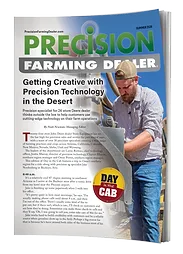
Precision Farming Dealer
- Getting Creative with Precision Technology in the Desert
- OEM Leaders Share Roadmap for Precision Growth
- Ag Autonomy’s ‘State of the State’
Getting Creative with Precision Technology in the Desert
OEM Leaders Share Roadmap for Precision Growth
Ag Autonomy’s ‘State of the State’
Must Read Free Eguides
Download these helpful knowledge building tools
- 33 Bankable Strategies for Billing Precision Service
- Making the Precision Basics Even Better with Implement Guidance
- Essentials of Measuring Customer Experience
- 7 Essential Components to Providing Effective Remote Support
Videos
![[Technology Corner] Aligning ‘Smart Implements’ with Autonomous Tractors](https://www.precisionfarmingdealer.com/ext/resources/2026/10/01/Aligning-Smart-Implements-with-Autonomous-Tractors.webp?height=290&t=1790966217&width=400)
[Technology Corner] Aligning ‘Smart Implements’ with Autonomous Tractors
Carbon Robotics is well known for its LaserWeeder, but did you know the company also makes autonomy retrofit kits for tractors and implements? The company recently launched the Carbon Autonomy Ready program, which enables implement manufacturers to make their equipment optimized for Carbon Autonomy kits.
Pro+Aqua

DigiFarm VBN LLC
DigiFarm VBN is a proven leader in providing RTK Correction Services across the Midwest and beyond, via cellular based RTK network. We have been in business since 2011 working with farmers, Ag retailers, and precision Ag dealers

Ag Express Electronics
We leverage our years of experience and industry knowledge to deliver solutions that keep you moving forward. For more than 30 years, our team of entrepreneurs and technicians have focused on understanding the hurdles you face. Then we brainstorm possibilities. Whether it’s offering a replacement part, repairing parts that aren’t working or creating custom solutions for your challenge. We’re experts in ag equipment electronic parts and systems. But more importantly, we make connections to keep your operation moving forward.